
Meridian Gold IRA Guide
Gold IRAs, Rollovers, and Storage Rules
A factual overview of self-directed precious metals IRAs, eligible accounts, approved metals, custodians, depositories, costs, and rollover considerations.
Retirement Account Basics
What Investors Should Know Before Opening a Gold IRA
A Gold IRA is a self-directed retirement account that can purchase certain physical precious metals. Investors often research these accounts when they want diversification beyond traditional market securities while keeping assets inside an IRA framework.
These accounts involve more than selecting coins or bars. Investors need to understand custodian administration, transfer paperwork, IRS eligibility rules, depository storage, fees, liquidity, and the risks that come with any metals purchase.
Meridian Gold's investment kit explains rollover steps, IRA metal standards, depository storage, fee categories, and questions to ask before moving retirement assets.
The Basics
What Is a Gold IRA?
A Gold IRA is a self-directed IRA designed to hold approved precious metals rather than only conventional assets such as stocks, bonds, mutual funds, or ETFs. Depending on eligibility, the account may purchase qualifying:
- Gold bullion
- Gold coins
- Silver bullion
- Silver coins
- Platinum products
- Palladium products
Products must meet IRA standards, and the account must be administered through the required custodian and storage arrangements.
The Process
How Does a Gold IRA Work?
The account uses the familiar IRA framework, but the administration differs because physical metals require approved purchasing, custody, and storage steps.
Establish the IRA
The account is opened with a qualified self-directed IRA custodian that can administer alternative assets.
Move Eligible Funds
Funding may come from an IRA, old 401(k), 403(b), TSP, SEP IRA, SIMPLE IRA, or another qualifying retirement account.
Choose Eligible Metals
The account purchases metals that satisfy IRA requirements for product type, purity, and documentation.
Use Approved Storage
Metals owned by the IRA are generally held through an approved depository under the custodian's administration.
Rollovers and Transfers
Using Retirement Funds for a Gold IRA
A common starting question is:
“Can eligible retirement funds be moved into a Gold IRA?”
In many cases, yes. The available method depends on the account type, current plan rules, employment status, custodian requirements, and whether the movement is structured as a rollover or direct transfer. Investors commonly ask about:
- How to move a 401(k) to a Gold IRA
- Gold IRA rollover without penalties
- Gold IRA transfer process
- 401(k) to gold rollover guide
- Gold IRA rollover rules
When handled under IRS requirements, many direct transfers can avoid current taxes and early withdrawal penalties.
Eligibility
What Precious Metals Are Allowed?
The IRS limits what a retirement account can buy. Eligibility depends on metal type, purity, product form, and whether the item is permitted for IRA ownership. Examples may include:
Gold
- American Gold Eagle
- American Gold Buffalo
- Canadian Gold Maple Leaf
- Certain IRA-eligible gold bars
Silver
- American Silver Eagle
- Canadian Silver Maple Leaf
- Approved silver bullion products
Platinum & Palladium
Certain qualifying bullion products may also be eligible. Product eligibility should be confirmed before purchase because requirements are subject to IRS rules.
Eligible Products
Examples Investors Often Review

American Gold Eagle
A U.S. Mint gold coin commonly reviewed for IRA eligibility and broad market recognition.

American Gold Buffalo
A 24-karat U.S. Mint coin that many investors compare when evaluating IRA-eligible gold.

Canadian Gold Maple Leaf
A widely recognized sovereign coin known for high purity and international liquidity.

Gold Bullion Bars
Certain bars from approved refiners may qualify when they meet IRS purity and documentation standards.
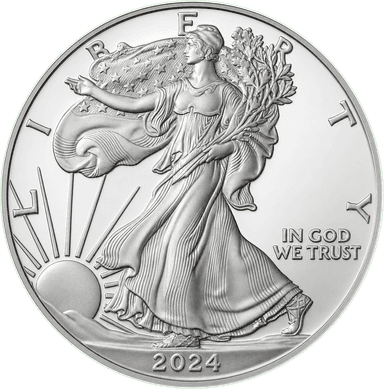
American Silver Eagle
A familiar silver option often considered when investors want metals exposure beyond gold.
Custody
Gold IRA Storage Options
IRA-owned metals are generally not held at home. They are typically stored under the custody of an approved depositoryselected through the account's custodial process.
Segregated Storage
Specific metals are allocated to the account and held separately according to the storage provider's terms.
Commingled Storage
Metals are held with other account assets of the same type while records identify account ownership.
Investors frequently compare:
- Gold IRA storage fees
- Segregated vs commingled storage
- Precious metals depositories
- Gold IRA insurance coverage
Transparency
Gold IRA Fees & Costs
Investors researching Gold IRAs often search:
- Gold IRA hidden fees
- Gold IRA annual fees
- Gold IRA storage costs
- Gold IRA custodian fees
- Gold IRA pricing comparison
Depending on the account structure, common costs may include:
- Account establishment fees
- Annual custodial fees
- Depository storage fees
- Insurance costs
- Precious metals acquisition spreads
Request written fee information before opening an account or purchasing metals.
Investor Motivations
Why Investors Consider Gold IRAs
Investors consider Gold IRAs for different reasons. Common considerations include:
Asset Mix
Adding a category that behaves differently from many conventional securities.
Inflation Planning
Considering gold's long history as a store of value during changes in purchasing power.
Concentration Control
Reducing dependence on a single market, issuer, or account strategy.
Physical Metal Exposure
Holding qualifying bullion or coins through a retirement account structure.
Retirement Time Horizon
Evaluating metals as part of a long-term plan rather than a short-term trade.
Two Paths
Gold IRA vs Physical Gold Ownership
Direct metals ownership and IRA ownership are different arrangements. The right comparison depends on whether the investor values retirement account treatment, direct control, storage flexibility, or distribution planning.
Each approach carries different rules, costs, storage choices, and tax considerations.
Gold IRA FAQ
Frequently Asked Questions About Gold IRAs
Review fee disclosures, custodian and depository relationships, product explanations, complaint history, buyback policies, and how clearly the company explains risks.
Many IRA assets can be transferred to a self-directed IRA that purchases qualifying metals, but the process depends on account type and custodian rules.
Gold IRAs generally use the tax rules of the IRA type involved. Traditional and Roth accounts have different treatment, so investors should consult a qualified tax professional.
IRA-owned metals generally must remain under approved custodial and depository arrangements rather than in the account owner's personal possession.
Distribution rules depend on account type, age, required minimum distribution rules, and whether the distribution is taken in cash or metals. Custodian and tax guidance is important.
Review the Facts
Start With Clear Gold IRA Information
Opening a precious metals IRA is a retirement account decision, not just a product purchase. Before moving funds, investors should understand rollover rules, account fees, product eligibility, storage requirements, liquidity, taxes, and risks. Meridian Gold keeps the process centered on a simple rule:
Facts first. Decisions second.